





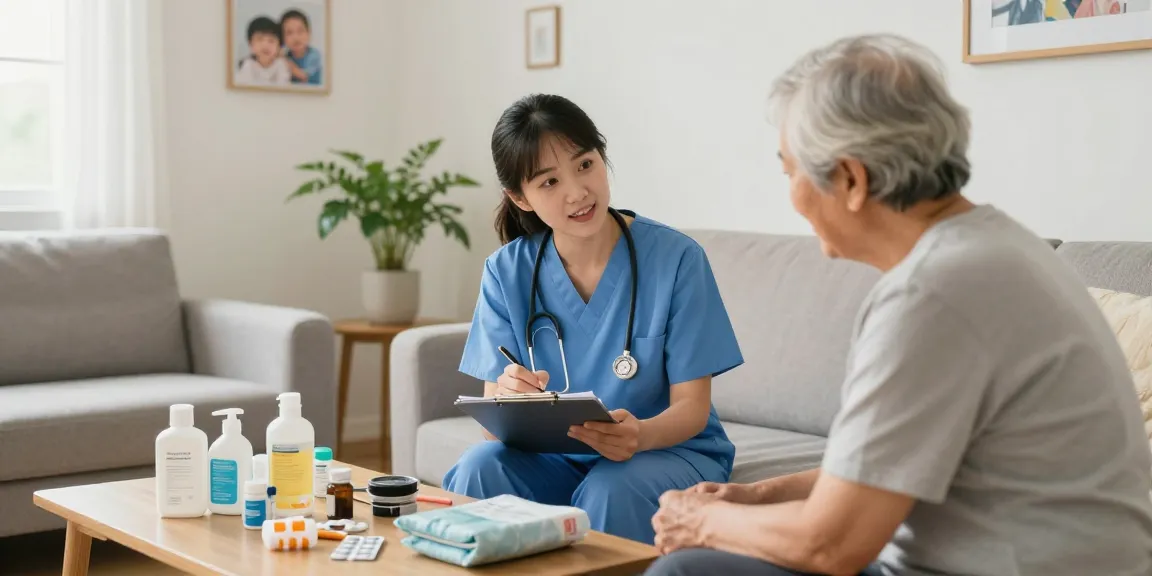
Understanding Hospital Care Packages
The decision to transition from hospital to home is a significant moment, especially for elderly patients. Hospital care packages are crafted to facilitate this transition, offering tailored support that addresses individual needs. At Clara Bartons, we pride ourselves on delivering personalized care solutions that enhance the quality of life for seniors and their families. With our comprehensive approach, we ensure that every aspect of recovery is considered, making the process seamless and supportive. When exploring options, hospital care package services can provide invaluable resources for navigating this challenging time.
What is a hospital care package?
A hospital care package typically includes a variety of services designed to assist patients as they transition from hospital care to home care. These packages can encompass personal care, daily living assistance, companionship, and more specialized medical support. The goal is to provide a comprehensive support system that enables patients to recover comfortably and safely in their own environments. Customized care packages are tailored based on individual assessments, ensuring that each patient’s unique needs are met during recovery.
Importance of personalized care in hospital transitions
Personalized care is crucial during hospital transitions, particularly for older adults who may require more attention and specialized support. Each patient’s needs vary significantly based on their medical history, current health status, and personal preferences. A well-structured hospital care package ensures that these factors are taken into consideration, providing a tailored approach that fosters recovery and enhances well-being. Moreover, personalized care helps to alleviate anxiety for both patients and family members, as they know that their loved ones are receiving the specific assistance they require.
Common misconceptions about hospital care packages
Despite their benefits, there are several misconceptions about hospital care packages that may deter families from utilizing these essential services. Some people think that these packages are only for those with severe health conditions, while in reality, they can be beneficial for anyone transitioning home from the hospital. Another common misconception is the belief that care packages are excessively expensive; however, many options are available to suit various budgets, making personalized care accessible to more families.
Step-by-Step Process for Outlining Your Needs
To create an effective hospital care package, it’s important to follow a systematic approach. This involves assessing specific needs, identifying the level of care required, and ensuring all necessary contact information is gathered for coordination. Below are key steps to take in outlining your needs effectively.
Identifying specific care requirements
Understanding the specific care requirements for a patient is the first step in designing a hospital care package. This includes evaluating any medical needs, such as medication management or physical therapy, as well as personal care needs like bathing, dressing, or meal preparation. By consulting with healthcare professionals, families can gain insights into what support will be essential in the early days of recovery.
Assessing the level and frequency of care needed
The next step involves assessing how often care services will be required. This will depend on the patient’s condition and recovery goals. For instance, some may need daily visits, while others might only require assistance a few times a week. This assessment should also consider long-term needs, as patients may require different levels of care as they progress in their recovery.
Gathering essential contact information
Effective communication is crucial for the success of a hospital care package. Families should gather all necessary contact information, including healthcare providers, family members involved in care decisions, and the care service provider. This ensures that everyone remains informed and can coordinate care effectively.
Home Assessments and Care Package Planning
Once needs are outlined, the next step involves home assessments and developing a care package that meets those specific requirements. This process is essential in ensuring that the transition home is as smooth and effective as possible.
What to expect during the assessor home visit
During the assessor home visit, a qualified professional will evaluate the home environment to identify potential safety issues and ensure it is equipped for the patient’s needs. This may include assessing mobility, accessibility, and the availability of necessary equipment, such as grab bars or medical devices. The assessor will also review the patient’s care needs in detail, discussing any concerns with the family to create a comprehensive care plan.
Creating a tailored care package based on assessment
Following the assessment, a tailored care package can be created. This package will include the services identified during the evaluation, designed specifically to assist the patient in their recovery. The services offered may range from personal care and companionship to more complex medical assistance, all based on the individual’s needs and preferences.
Working with families to finalize care details
Collaboration with family members is crucial in finalizing care details. Family input can provide valuable insights into the patient’s preferences and needs, allowing for a more personalized approach. During this stage, families can also discuss any concerns and ask questions about the provided services, ensuring that everyone is on the same page before care begins.
Launching Your Care Package Services
After creating the care package, the next phase involves launching the services. It’s important to ensure that everything is organized and ready for the patient’s return home.
How to ensure smooth service commencement
To ensure a smooth commencement of services, families should confirm that all care staff are fully briefed on the patient’s needs. This includes sharing medical history, personal preferences, and any specific care instructions. Coordination between the family, care staff, and healthcare providers is crucial to facilitate an uninterrupted transition.
Introduction to caregivers and support staff
Introducing the patient to their caregivers is a vital part of the process. Building rapport between patients and their care staff can significantly enhance the recovery experience. Families should facilitate introductions to help create a comfortable environment, allowing the patient to feel secure and supported.
Conducting follow-ups and adjustments to care plans
Regular follow-ups are essential to ensure that the care package remains effective and relevant. Families should schedule periodic reviews to assess the patient’s progress and make any necessary adjustments to the care plan. This ensures that as the patient’s needs evolve, their care package adapts accordingly, providing ongoing support for their recovery journey.
Future Trends in Hospital Care Packages
The landscape of elderly care continues to evolve, driven by technological advancements and new understanding of patient needs. Here are some trends to watch for as we move towards 2026.
The evolving landscape of elderly care in 2026
As more emphasis is placed on personalized care, we can expect an increase in customized hospital care packages that focus on individual preferences and outcomes. Future care packages will likely integrate more holistic approaches, incorporating physical, mental, and emotional health into recovery plans.
Innovative technologies enhancing care packages
Emerging technologies, such as telehealth services, wearable health monitors, and mobile health applications, are set to transform how patients receive care. These innovations will not only streamline communication between patients, families, and caregivers but also enhance the effectiveness of the care delivered.
Expert insights on adapting care solutions
Healthcare experts predict that adaptability will be a key component of future hospital care packages. As patient needs change, flexibility in care solutions will become increasingly important. This means continuously assessing and adjusting services to ensure patients receive the best possible support throughout their recovery.
What should be included in a hospital care package?
A well-rounded hospital care package should include essential items that cater to both medical and emotional needs. This can encompass personal hygiene products, comfort items like blankets or pillows, and practical items such as reading materials or puzzles to keep the patient engaged.
How to ensure your loved ones receive the best care?
To ensure that loved ones receive the best care, it’s essential to communicate openly with caregivers, involve family members in care planning, and regularly reassess the effectiveness of the care provided. Feedback loops between patients and caregivers are vital in making necessary adjustments to improve the quality of care.
What challenges may arise in the care planning process?
Challenges in the care planning process can include miscommunication between family members and caregivers, inadequate assessment of patient needs, and logistical issues in scheduling services. To mitigate these challenges, families should prioritize clear communication and maintain ongoing dialogues with all parties involved in care.
How to adjust care packages as needs change?
As patients recover and their needs evolve, care packages may need to be adjusted. This can involve adding or removing services, changing the frequency of visits, or even altering the caregivers assigned to ensure optimal support. Continuous monitoring and feedback from the patient and their family are crucial in this process.
What resources are available for caregivers?
Numerous resources are available for caregivers, including local support groups, training programs, and online courses that offer guidance on best practices in elder care. For more information, care agencies birmingham offers valuable insights. Families can also access informational resources through healthcare providers, ensuring they are well-prepared for the responsibilities of caregiving.




More Stories
Proven Strategies for Achieving Optimal Health and Wellness