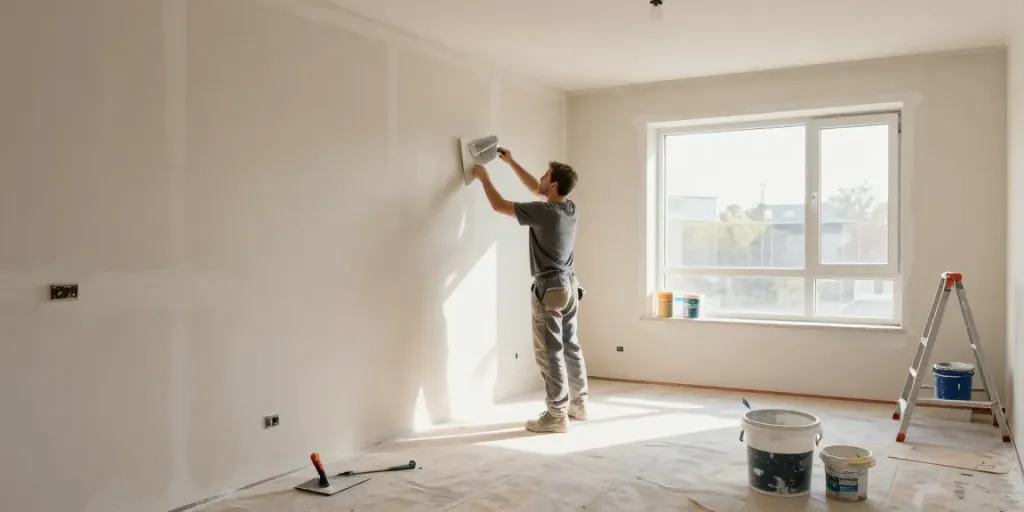
Understanding Plastering Services in London
Plastering is an essential home improvement skill that transforms walls and ceilings from rough and uneven surfaces into smooth, aesthetically pleasing finishes. In London, where property types vary from historic buildings to modern flats, the need for quality plastering services is paramount. Plastering Service London offers a comprehensive range of solutions to tackle both minor repairs and large-scale renovations. Whether you're looking to refresh a tired space or prepare for a major refurbishment, understanding the ins and outs of plastering services can significantly enhance your property's value and comfort.
What is Plastering Service London?
Plastering Service London specializes in providing high-quality plastering solutions tailored to meet the diverse needs of London homeowners and property managers. This service encompasses a wide array of offerings, including wall skimming, plaster repairs, and rendering. By leveraging over 20 years of industry experience, the team ensures that each project is completed to the highest standards, using modern techniques and quality materials.
Types of Plastering Services Offered
The services offered by plastering companies in London include:
- Wall and ceiling skimming: This involves applying a smooth coat of plaster over existing walls to create a flawless finish.
- Plaster repairs: Addressing cracks, holes, and damaged plaster to restore surfaces.
- Rendering: Applying a layer of plaster to external walls for protection and aesthetics.
- K Rend: A type of monocouche render that provides a durable and decorative finish.
- Textured finishes: Offering various finishes that add character to walls and ceilings.
Benefits of Professional Plastering
Engaging a professional plastering service provides numerous benefits:
- Expertise: Skilled plasterers have extensive training and experience, ensuring high-quality workmanship.
- Time-saving: Professionals can complete projects more efficiently than DIY methods.
- Safety: Working with plaster can be hazardous; professionals adhere to safety standards to protect themselves and your property.
- Long-lasting results: Properly applied plaster lasts longer and requires less maintenance than amateur attempts.
Cost Factors for Plastering Services
Understanding the costs associated with plastering services in London is crucial for budgeting your project effectively. Various factors can influence the overall price, which can vary significantly from one job to another.
How Much Does Plastering Cost in London?
The cost of plastering in London generally ranges from £10 to £25 per square meter for wall skimming, with additional charges for repairs or rendering. For example, if you have a room measuring 4.5m × 3.5m with 2.5m-high walls, the total wall area is approximately 40m². Thus, the initial estimates might range from £400 to £1,000, depending on the surface condition and required preparation work.
Estimating Costs Based on Room Size
When estimating costs based on room size, consider the following:
- The total area of the walls and ceilings to be plastered.
- Access to the area, which may require scaffolding or special equipment if working at height.
- The condition of existing surfaces, as additional preparations may drive up costs.
- Whether any repairs are necessary before skimming or rendering.
Common Price Adjustments and Factors
Several factors can lead to adjustments in the initial estimate:
- Surface Condition: Loose plaster or damaged areas may require repair, leading to additional costs.
- Complexity of the Job: Intricate designs or hard-to-reach areas increase labor time and costs.
- Material Preferences: Premium materials may have higher costs, affecting the overall budget.
- Waste Removal: Disposal of old materials and debris can incur extra charges.
Choosing the Right Finish for Your Space
Selecting the right plaster finish is vital for both aesthetics and durability. Different finishes serve varying purposes, and understanding these can help you make the best choice for your interior or exterior surfaces.
Different Types of Finishing Techniques
Common finishing techniques include:
- Skim Coating: A thin layer applied over existing surfaces for a smooth, paint-ready finish.
- Textured Finishes: Techniques such as knockdown or stipple for adding visual interest.
- Polished Plaster: A high-end finish that provides a luxurious look with a shiny surface.
How Surface Conditions Affect Finishing Choices
The existing condition of your walls plays a pivotal role in determining the appropriate finish. For instance:
- If there are active damp issues or extensive cracking, remediation must occur before a finish can be applied.
- Old or loose plaster may require a base coat before skimming to ensure adhesion and a smooth surface.
Creating a Seamless Transition Between Rooms
When plastering adjacent rooms, achieving a seamless transition is essential for a cohesive look. Techniques include:
- Blending finishes to match surrounding areas, ensuring continuity.
- Using corner beads to define edges and protect plaster during the drying process.
Preparing for Your Plastering Project
Preparation is critical for the success of any plastering job. Proper assessments and preparations will ensure a long-lasting and attractive finish.
Assessing Surface Conditions Before Plastering
Before beginning any plastering work, assess the condition of your walls and ceilings. Look for:
- Cracks and signs of deterioration.
- Moisture issues or active damp.
- Previous repairs and how they may affect the new plaster.
Importance of Proper Preparations
Preparation includes cleaning surfaces, filling holes, and applying necessary base coats. A well-prepared surface ensures better adhesion and a smoother finish.
Tools and Materials for Successful Plastering
Essential tools and materials for plastering work include:
- Trowels and floats for applying and smoothing plaster.
- Mixers and buckets for combining plaster with water.
- Protective gear, such as goggles and masks.
- Sponges and brushes for finishing touches.
FAQs About Plastering Services in London
The following are common questions that customers have regarding plastering services in London. Understanding these can help you navigate your plastering project more efficiently.
How long does plaster take to dry?
Typically, plaster takes around 24 to 48 hours to dry completely, depending on environmental conditions. Ensure adequate ventilation to speed up the drying process.
Can I plaster over old plaster?
Yes, you can plaster over old plaster, but it should be assessed first. Ensure there are no loose areas, and apply a bonding agent if necessary for better adhesion.
What should I do if cracks appear after plastering?
If cracks develop post-plastering, it's advisable to inspect and potentially repair the area. Minor cracks can usually be filled and painted over, while larger cracks may indicate underlying issues that need addressing.
How do I choose a reliable plastering service?
Look for companies with positive customer reviews, a portfolio of their work, and a transparent pricing structure. Recommendations from friends or family can also guide you.
Are there any warranties on plastering work?
Most professional plastering services provide a warranty on their work, ensuring peace of mind for the homeowner. It's essential to ask about the specific terms before engaging a service.