
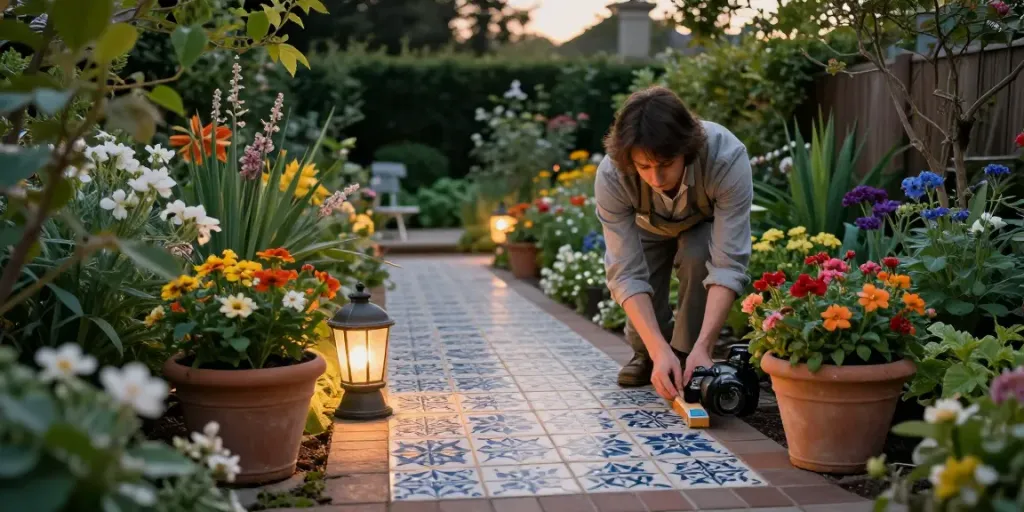
Understanding Victorian Tiling: A Rich History and Timeless Appeal
Victorian tiling, characterized by its intricate patterns and vibrant colors, serves as a testament to the artistry and craftsmanship of the Victorian era. This style not only brings a nostalgic charm to modern homes but also stands the test of time in durability and elegance. By exploring Victorian tiling, one can appreciate its historical significance and aesthetic appeal, making it an ideal choice for both renovation projects and new constructions.
What Defines Victorian Tiling?
At its core, Victorian tiling is defined by its geometric patterns, rich colors, and the use of materials that reflect high craftsmanship. Typically made from ceramic or encaustic materials, these tiles were designed to withstand heavy foot traffic while maintaining their beauty. The unique aspect of Victorian tiles is their ability to create intricate designs when laid in specific patterns, which has made them a popular choice for both flooring and wall applications.
The Historical Context of Victorian Tile Designs
The Victorian era, spanning from 1837 to 1901, was marked by significant advancements in technology and a burgeoning interest in the arts. During this period, tiles became accessible to the masses, moving from luxurious items used in affluent homes to decorative elements found in public spaces, such as train stations and town halls. The revival of historical styles inspired designers to create bold tile patterns, often incorporating nature themes, mythical creatures, and abstract designs.
The Aesthetic Appeal of Victorian Patterns
Victorian tiling is renowned for its eclectic patterns and vivid colors, often featuring combinations of reds, greens, and blues. The aesthetic appeal lies in the ability of the tiles to tell a story or evoke a specific ambiance. Patterns like the checkerboard or herringbone can exude classic charm, while floral motifs may add a touch of whimsy. Additionally, the contrast in colors creates visual interest, making it a versatile option for various design schemes.
Choosing the Right Victorian Tiles for Your Home
When selecting Victorian tiles, it’s crucial to consider the architectural style of your home as well as your personal design preferences. The variety available today allows homeowners to find a perfect fit that complements their interior or exterior aesthetic.
Different Types of Victorian Tiles Available
Victorian tiles come in multiple forms, including:
- Encaustic Tiles: These tiles feature intricate patterns created through different colored clays, making each piece uniquely crafted.
- Ceramic Tiles: Vitrified and durable, ceramic tiles offer a wide range of colors and patterns while being suitable for both walls and floors.
- Reclaimed Tiles: Authentic reclaimed Victorian tiles can add historical charm but often require careful restoration.
How to Select Colors and Patterns for Your Space
Choosing the right colors and patterns for your Victorian tiles is essential to achieving the desired look. Consider starting with a color palette that complements existing decor. For smaller spaces, lighter colored tiles can make the area feel larger, while bold patterns can serve as a focal point in larger rooms.
Considerations for Indoor vs. Outdoor Applications
Different types of tiles may be better suited for indoor or outdoor use. Outdoor tiles need to be more durable and resistant to weather conditions, while indoor tiles can afford to prioritize aesthetic appeal. Ensure you select tiles that fit the environment, paying attention to slip resistance for outdoor pathways and patios.
Installation Techniques for Victorian Tiling
Installing Victorian tiles can be a rewarding endeavor that transforms your space. However, proper methods must be followed to ensure longevity and performance.
Prepping Your Surface: Essential Steps
Before installation, it’s essential to prepare the surface adequately. Ensure the area is clean, level, and free from any debris. If you're working with an existing surface, evaluate its condition and make necessary repairs.
Best Practices for Laying Victorian Tiles
Start by laying out the tiles in your desired pattern without adhesive to visualize the final look. This dry layout helps identify any necessary adjustments before permanently affixing the tiles. Use spacers for even grout lines, and ensure you check for a level surface frequently as you work.
Sealing and Maintenance Tips for Longevity
After installation, it’s important to seal your tiles to protect them from stains and moisture. Regular maintenance involves sweeping and mopping with appropriate cleaners to keep them looking their best. Avoid acidic substances that can damage the tile surface and grout.
Incorporating Victorian Tiling into Modern Design
Victorian tiles can seamlessly blend with modern aesthetics, providing a unique character to today’s homes.
Mixing Victorian Tiling with Contemporary Decor
To incorporate Victorian tiles into a contemporary design scheme, consider pairing them with minimalistic furniture and decor. The contrast between the ornate tile designs and sleek furnishings can create a visually striking balance.
Case Studies: Successful Victorian Tile Integrations
Numerous case studies showcase successful integrations of Victorian tiles in various settings. For instance, a modern kitchen featuring Victorian tiled backsplashes can add sophistication while maintaining functionality. Similarly, bathroom floors adorned with intricate tile patterns can evoke a spa-like atmosphere.
Future Trends in Victorian Tiling Design
As design trends evolve, the use of Victorian tiles is expected to continue expanding. Emerging trends include sustainable tile options and the integration of modern technology in tile manufacturing, allowing for even more creative patterns and designs.
Common Challenges and Solutions in Victorian Tiling
While Victorian tiling offers many benefits, several challenges may arise during installation and maintenance. Understanding these challenges can help homeowners navigate them effectively.
Identifying Authentic Victorian Tiles
As the demand for Victorian tiles grows, so does the market for imitations. Authentic tiles usually have variations in color and texture that are not present in mass-produced versions. Conduct thorough research or consult an expert to identify genuine Victorian tiles.
Addressing Common Installation Problems
Common issues during installation include uneven surfaces and misaligned tiles. To prevent these, always use a level and dry layout to plan your design before affixing tiles.
Maintaining the Integrity of Your Victorian Tiles Over Time
Over time, tiles may develop cracks or chips. Regular inspections and timely repairs can maintain the integrity of your flooring. Consider professional cleaning services for deep-rooted stains or damage.
How to Care for Victorian Tiles?
To care for Victorian tiles effectively, use non-acidic cleaners and avoid harsh scrubbing that can damage the tile surface. Regular sweeping and mopping are essential for upkeep.
What Are Some Popular Patterns in Victorian Tiling?
Popular patterns include geometric designs, floral motifs, and classic checkerboard, each bringing a different vibe to the space. Mixing patterns can create visually dynamic spaces while still keeping the Victorian charm intact.
Are Victorian Tiles Suitable for Outdoor Use?
Yes, certain types of Victorian tiles are suitable for outdoor use, particularly those that are treated for weather resistance. When choosing outdoor tiles, ensure they have a non-slip surface for safety.